Article
March 10, 2026
How can the ‘Nordic Way’ inspire global urban transformation?
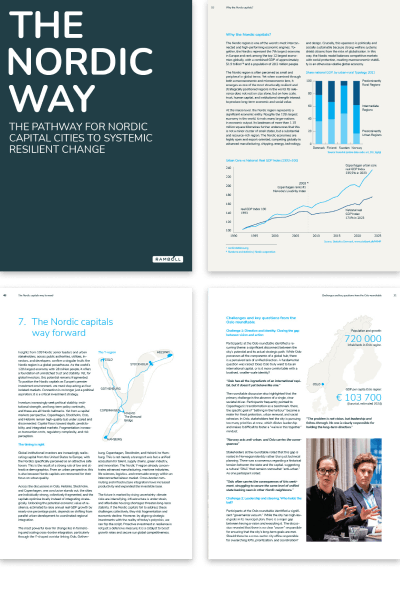
How can Helsinki, Stockholm, Oslo and Copenhagen accelerate resilient urban transformation? Drawing on insights from 103 urban leaders across the Nordics, our report, ‘The Nordic Way’, offers perspectives to inspire cities around the world.

Contact our expert

Signe Kongebro
Global Director, Future Resilient Design
Cities are more than places to live. They are productive economic systems. Like any complex system, their long-term performance depends on resilience, which is the ability to absorb shocks, adapt to change, and maintain functionality under pressure. Urban resilience is not only a social or environmental ambition but also an economic force.
From “soft cities” to global examples
The Nordic capitals have mastered what many describe as the “soft city”: Copenhagen, Stockholm, Oslo, and Helsinki consistently rank among the most liveable and happiest cities in the world, and are recognised for steadily pursuing the green transition. Yet from a global capital markets perspective, these high-quality cities remain under scaled and fragmented.
Our report, ‘The Nordic Way’, examines how the Nordic capitals secure long-term resilience across climate, infrastructure and governance systems, drawing on insights from 103 senior leaders and urban stakeholders across public authorities, utilities, investors, developers, businesses and civil society. Their perspectives were gathered through a series of roundtables and in-depth interviews across the Nordic capitals.
Building on the lessons of ‘The Copenhagen Way’ that Ramboll developed in collaboration with Urban Partners and BLOXHUB, and from the experiences of Copenhagen’s own turnaround from near bankruptcy, the report shows that cities can achieve systemic transformation within a single generation when vision, trust, and cross-sector collaboration are aligned.
IMAGE GALLERY
IMAGE GALLERY
1 / 4
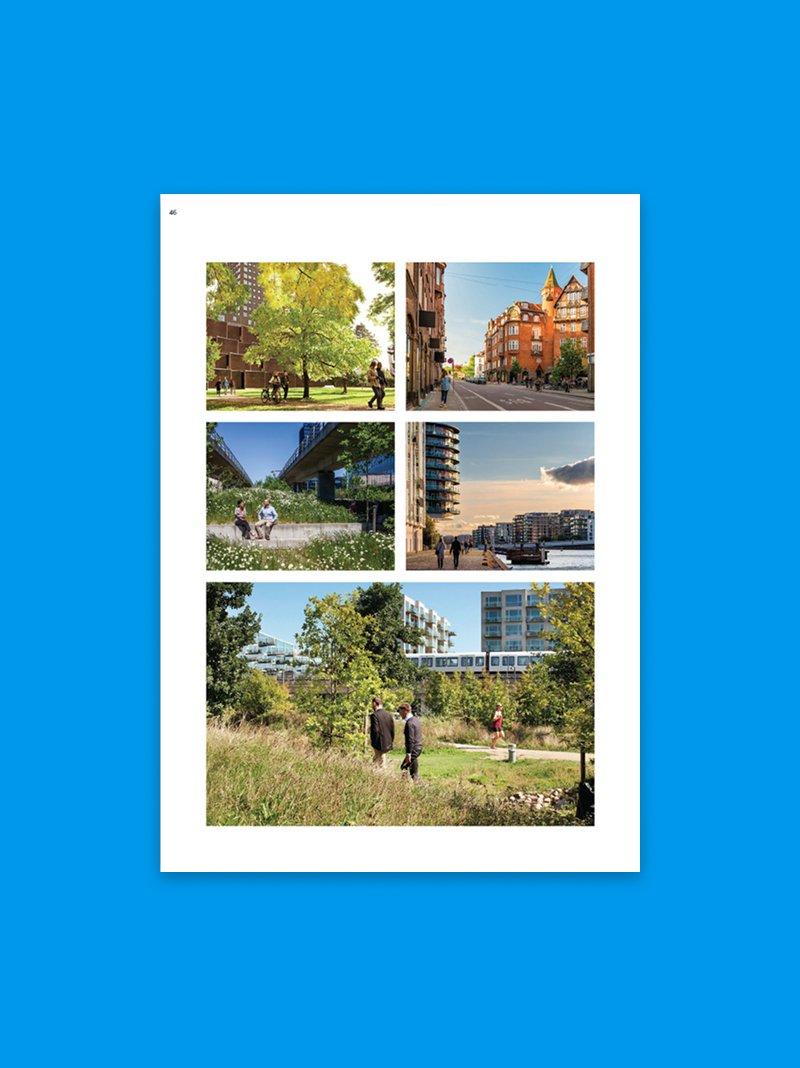
Helsinki Central Library Oodi
2 / 4
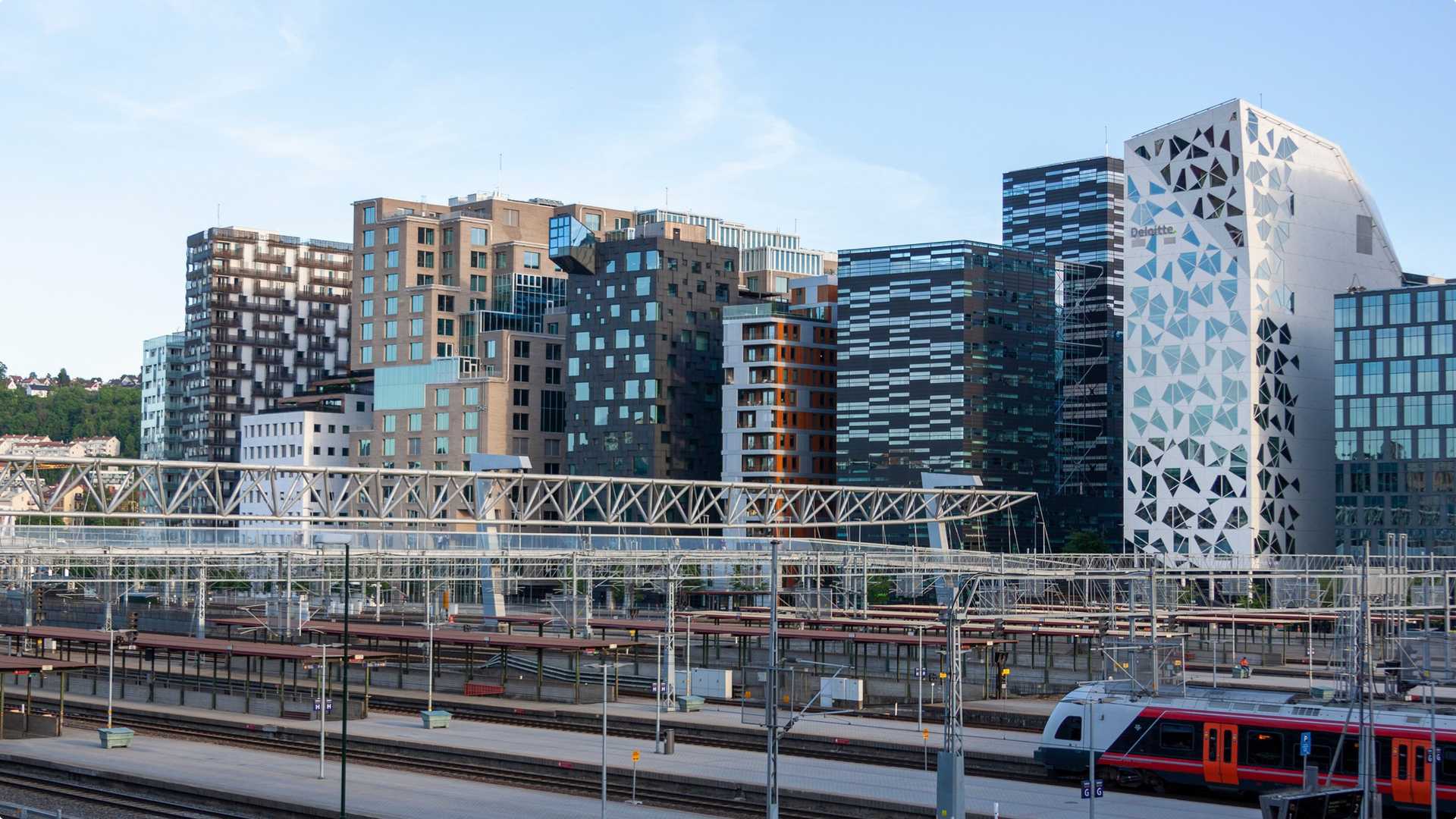
Oslo Central Station with the Barcode area in the background.
3 / 4
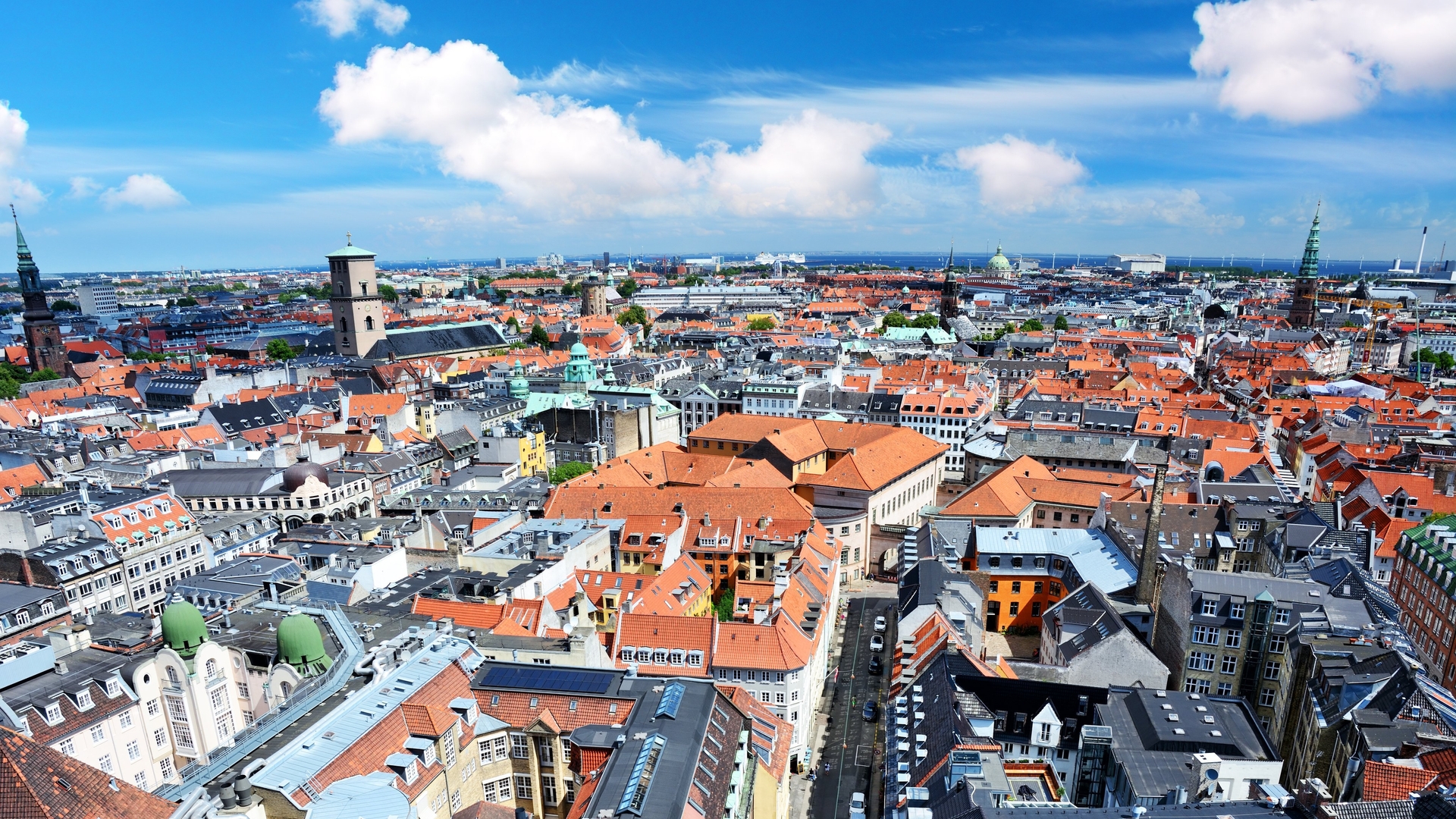
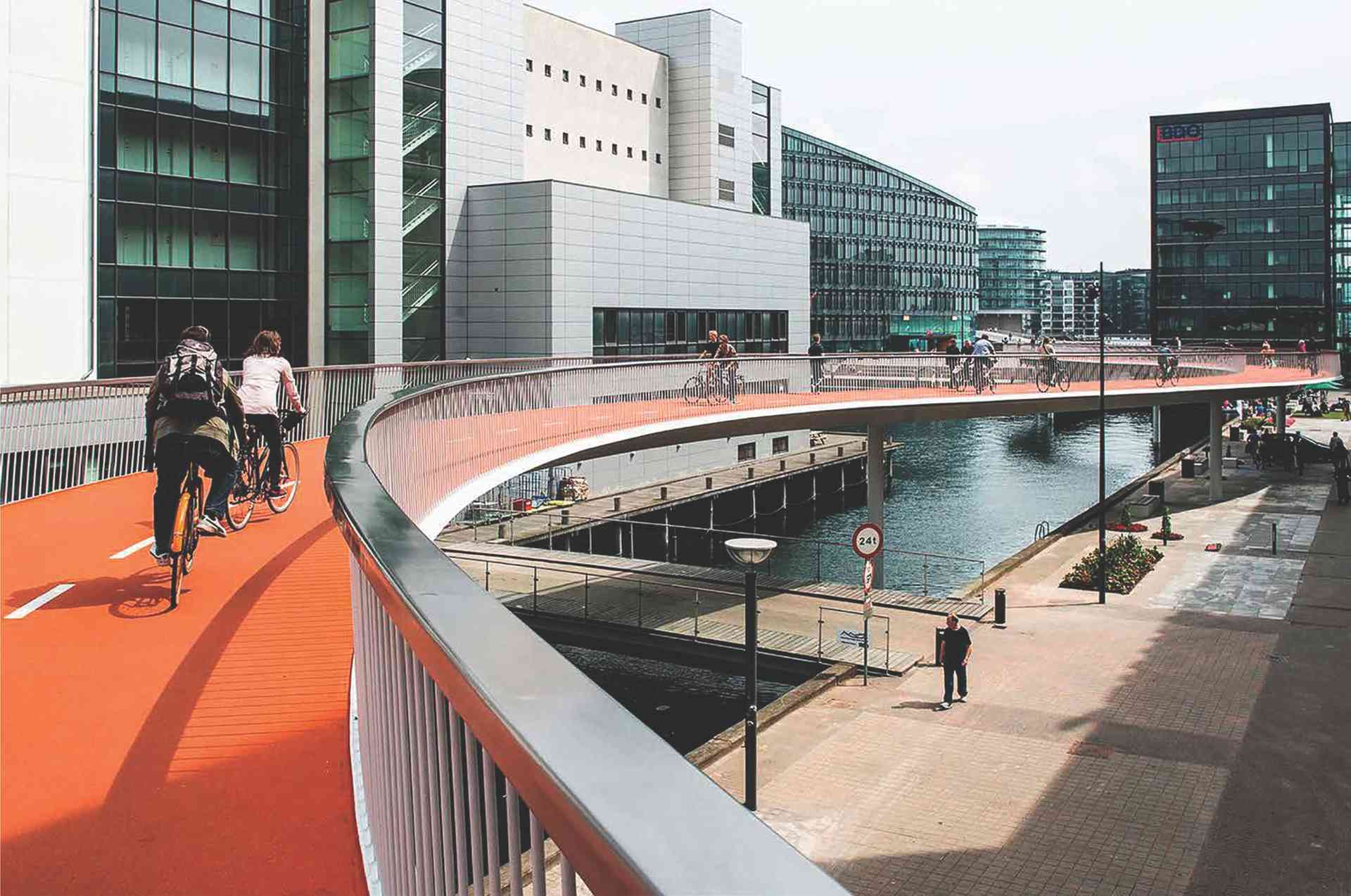
Bicycle Snake, Copenhagen
© Rasmus Hjortshøj
4 / 4
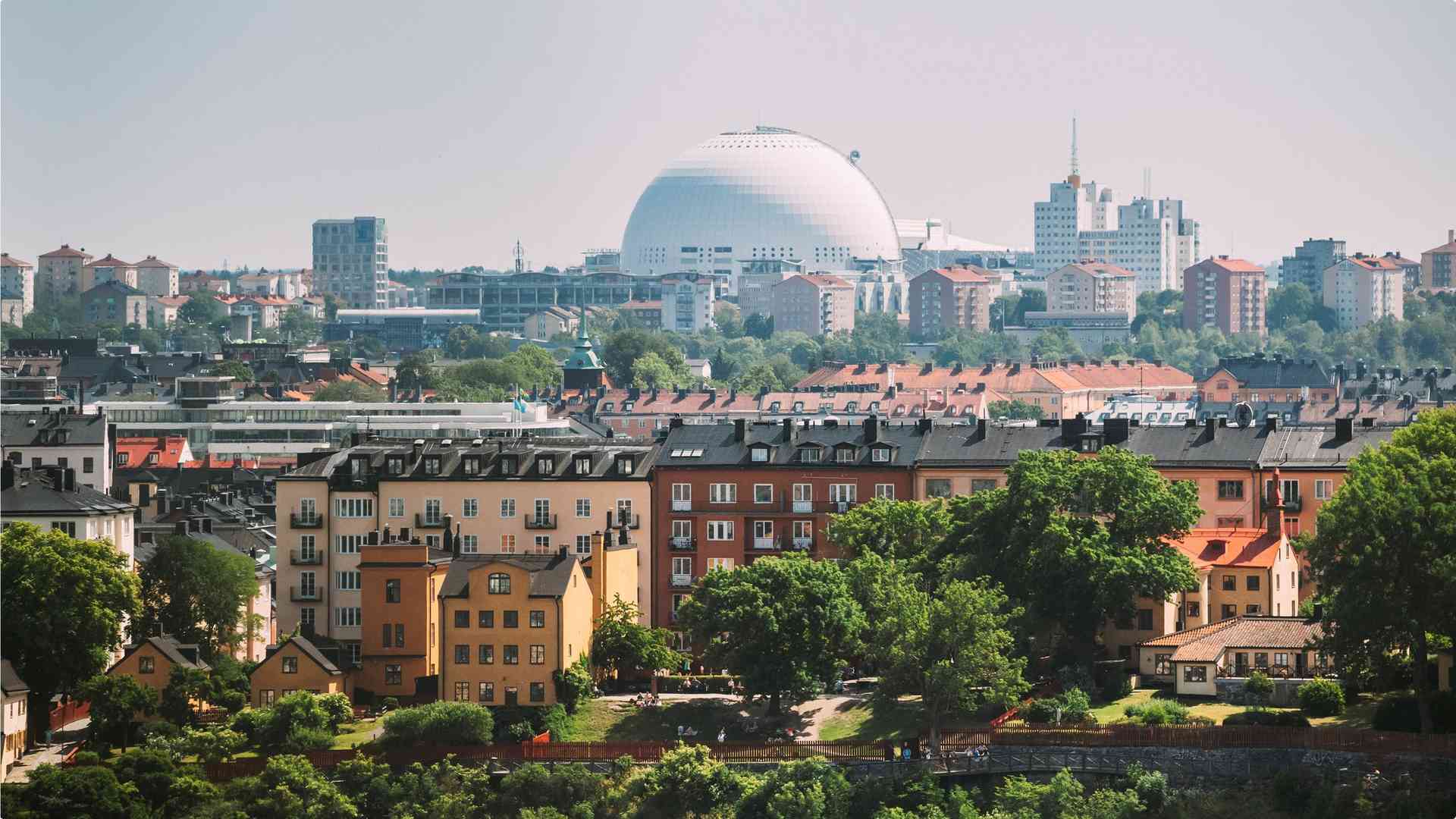
Slakthusområdet, Stockholm
Helsinki Central Library Oodi
Oslo Central Station with the Barcode area in the background.
Bicycle Snake, Copenhagen
© Rasmus Hjortshøj
Slakthusområdet, Stockholm
1 / 4
Helsinki Central Library Oodi
From blind spots to shared priorities
The conversations revealed a common challenge. The Nordic capitals possess remarkable strengths individually yet often function as separate systems rather than a coordinated region, which reduces their collective force.
The report identifies the blind spots each city faces:
1. Oslo
Oslo is a wealthy city, but can struggle to execute on its vision.
2. Helsinki
Helsinki demonstrates world class capabilities in macro infrastructure and engineering, but must focus on the human dimension to attract global talent.
3. Stockholm
Stockholm remains an innovation flagship but risks stagnation through bureaucratic friction that inhibits entrepreneurialism.
4. Copenhagen
Copenhagen shows that radical transformation is possible within a single generation yet faces a fragmented innovation culture and risks becoming complacent after decades of success.
In parallel, three shared priorities emerged from the discussions across the four capitals:
Shared priorities
Adaptive governance

New private public financing models

Urban placemaking at neighbourhood scale

Adaptive governance
New private public financing models
Urban placemaking at neighbourhood scale
Together these approaches can accelerate delivery, improve risk sharing and strengthen the resilience of everyday urban life.
Resilience is a competitive advantage
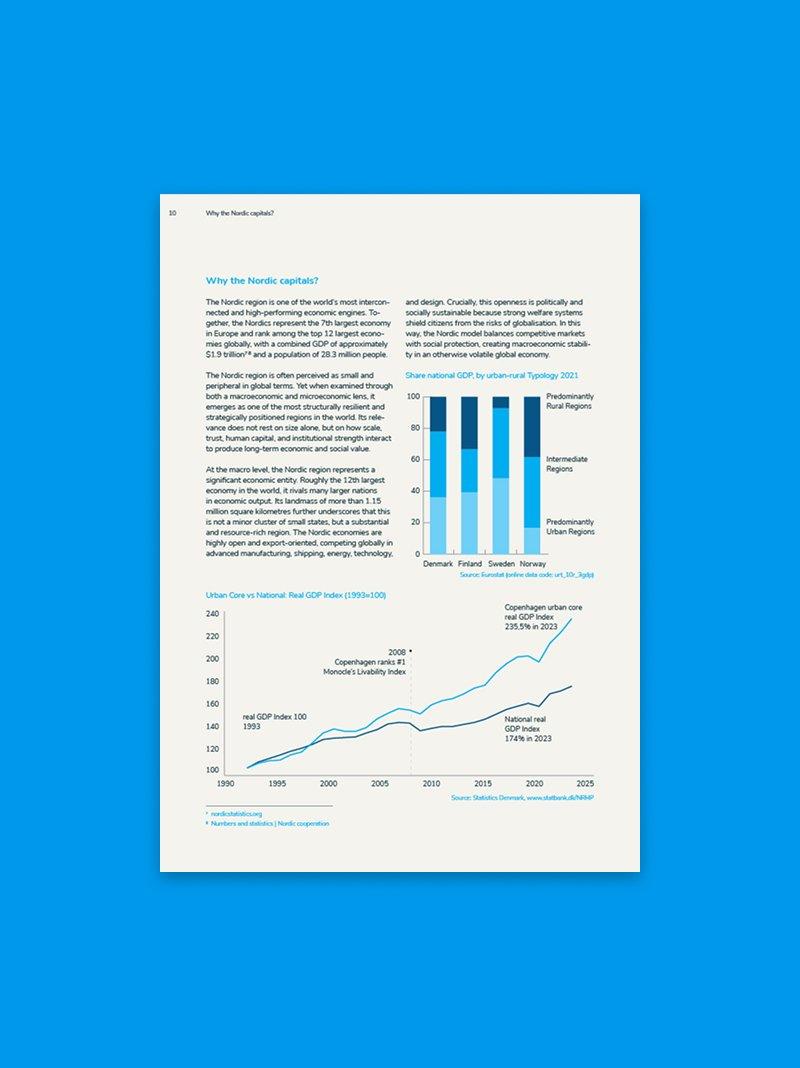
The report indicates a strong association between urban resilience and long-term economic performance. Cities that perform better on resilience indicators such as safety, liveability, and robust infrastructure experience nearly one percentage point higher annual real GDP growth.
Resilience is not a cost, rather it is a competitive advantage that helps de-risk the future, attract long term capital, and strengthen social cohesion.
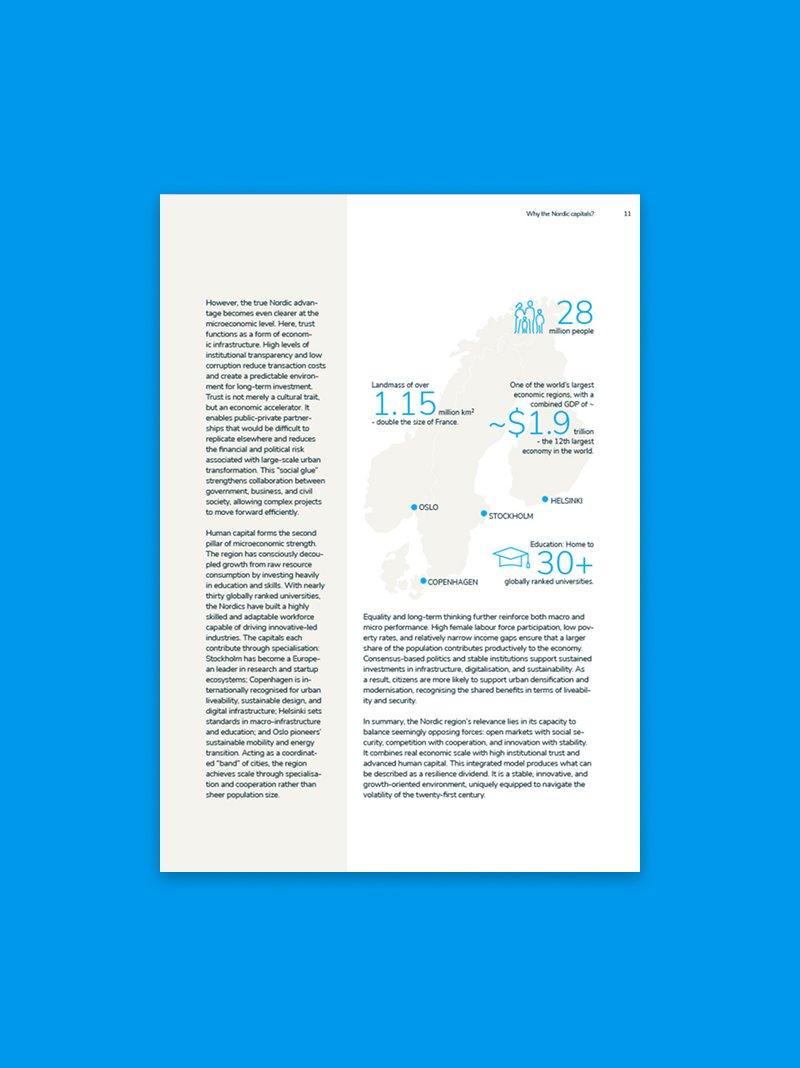
With a combined population of 28 million, a collective top-12 rank in the global economy, and the world’s highest levels of societal trust, the Nordic region has the ingredients to become the most resilient urban region on earth.
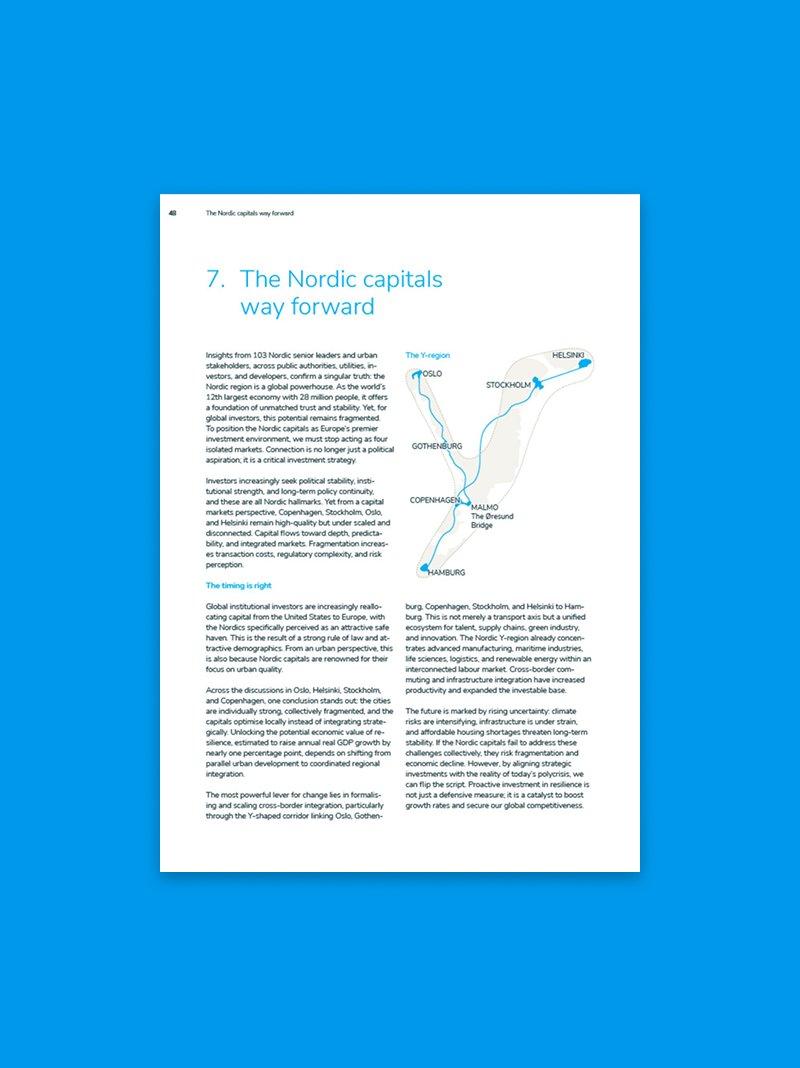
Realising that potential will require us to move beyond parallel city strategies and towards deeper regional cooperation. One promising opportunity lies in the emerging Y shaped corridor linking Oslo, Stockholm, Copenhagen, Helsinki, and Hamburg. By strengthening cross border integration along this corridor, the Nordic capitals could convert trust into growth, resilience into economic return, and cooperation into global competitiveness.
Contact our expert
Global Director, Future Resilient Design
Contributing authors
Explore similar insights
Download the report The Nordic Way