Resilient cities
Resilient cities are not accidental. They develop through care, foresight, and collaboration. As challenges grow more complex, it is vital to shape places where people and nature can thrive together for generations to come.
Designing for urban resilience
Across the globe, societies are under pressure to adapt to climate risks, demographic shifts, and economic uncertainty. Cities and regions must evolve to remain competitive, cohesive, and connected.
Resilient urban systems are central to closing this gap. When systems thinking, foresight, and flexibility are used to rethink urban renewal approaches, mobility networks, infrastructure, and public spaces, the benefits are far-reaching. From economic growth and climate security to improved health and productivity, a life-centered, data-informed approach empowers communities and helps cities, investors, and developers navigate complex projects.
Resilience is not just another way to safeguard. It is a strategy to strengthen resourceful societies, ensure targeting urban planning, and create long-term value.
Let’s shape societies that are built to last – and designed to care.
What Nordic cities are getting right about resilient investment
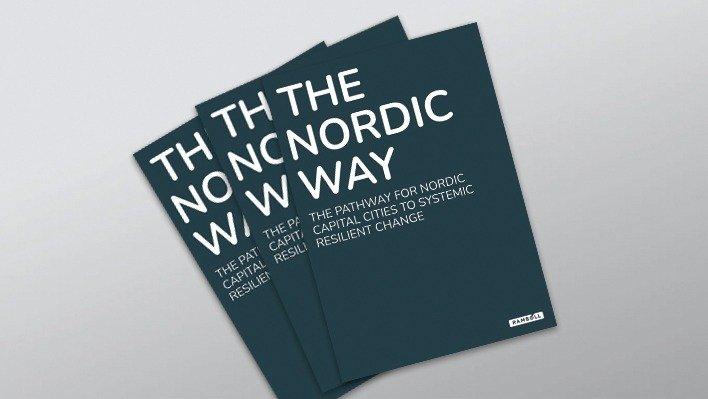
While the Nordic capitals consistently rank among the world's most liveable cities, they remain “under-scaled and fragmented” from a global investment perspective.
This report sets out a strategic pathway for systematic, resilient transformation across the Nordic capital cities of Helsinki, Stockholm, Oslo, and Copenhagen.
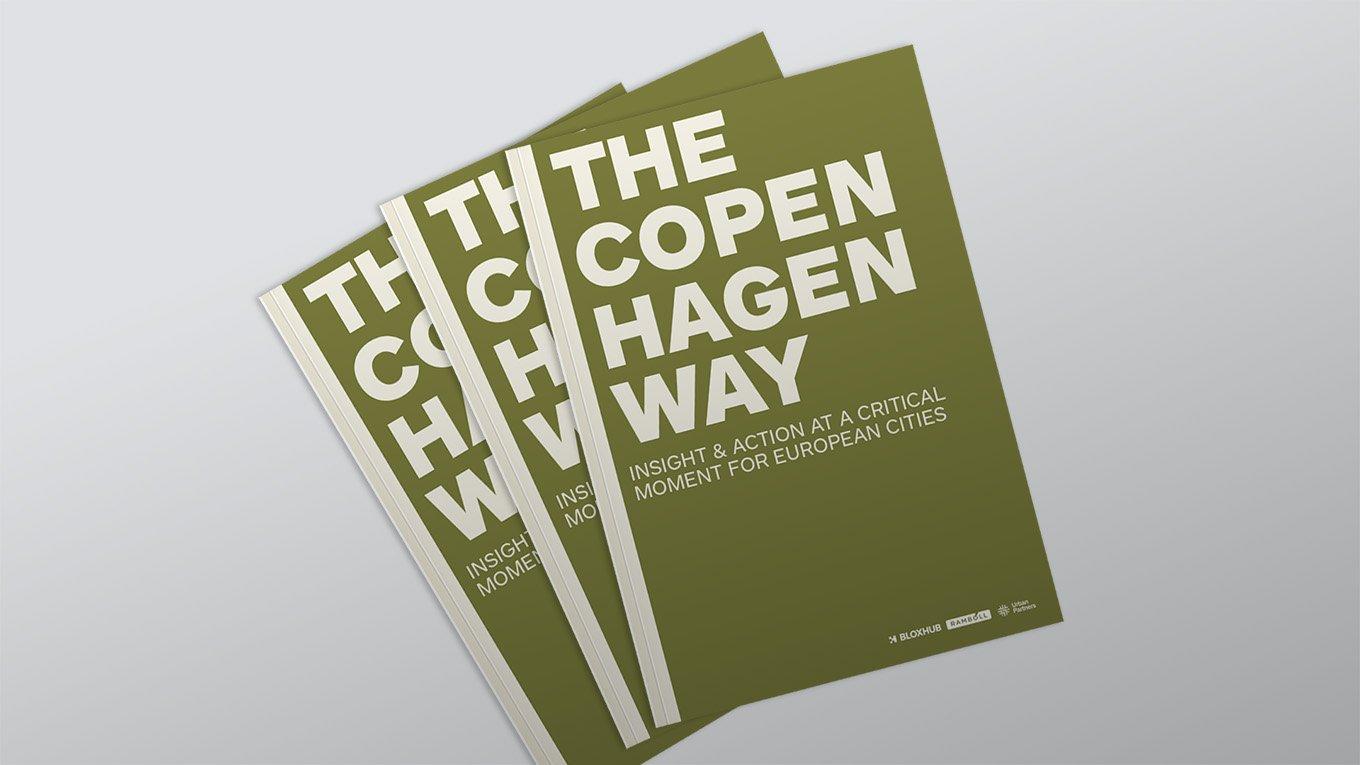
The Copenhagen Way: how to make EU cities resilient and competitive
EXPERT INSIGHTS ON RESILIENT CITIES
The Copenhagen Way: Building Europe’s future with resilient cities
Resilient societies
The capital of Denmark is an excellent example of resilient transformation. A recent report from Ramboll, BLOXHUB and Urban Partners calls for cities to become the primary engines of a resilient, competitive, and inclusive Europe, and shares lessons from Copenhagen’s transformation to inspire others.
Unlocking the potential of new towns
Liveability
As the UK faces increasing pressures on housing, infrastructure, and regeneration, it stands at a crossroads shared by many nations. The UK government’s New Towns initiative sets out to address these challenges, providing learning for other countries seeking to create thriving, future-ready communities.
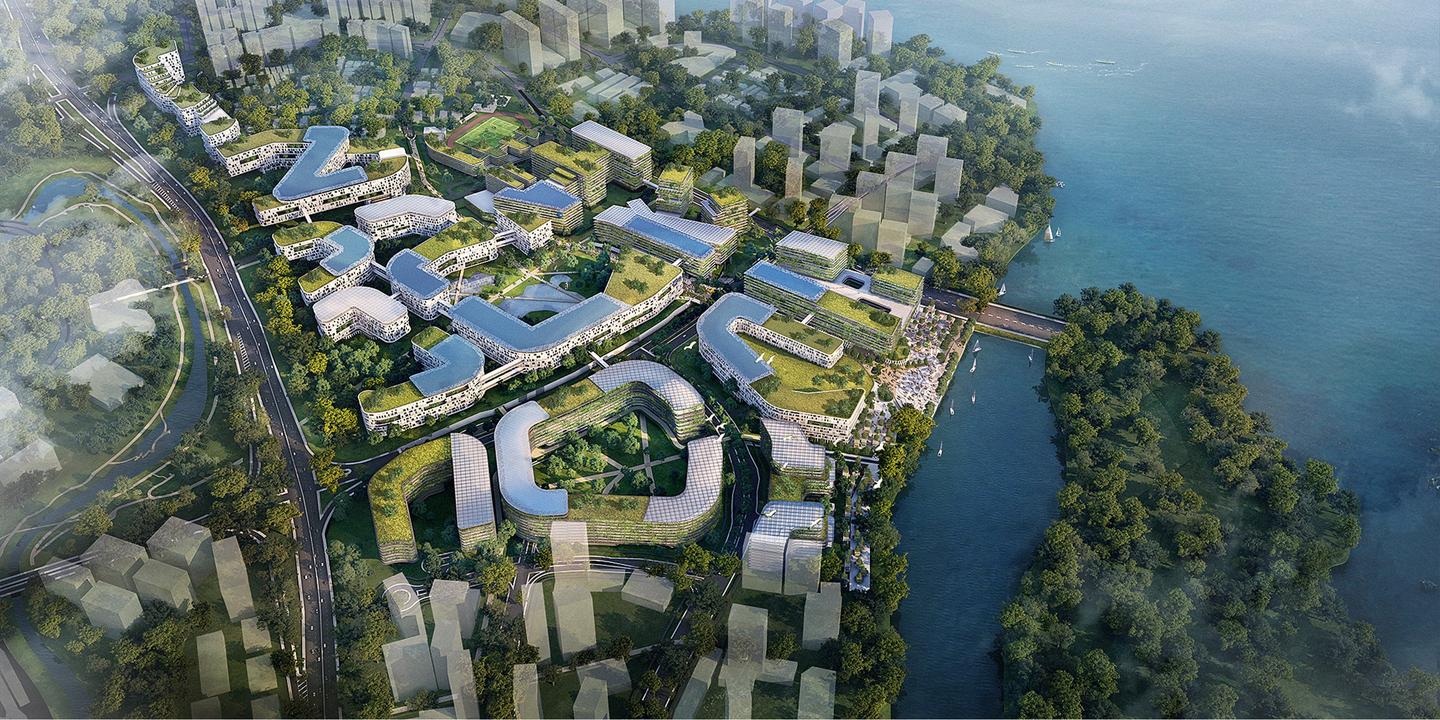
Urban design is where energy, mobility, and people meet, and where bold decisions can unlock national-scale change. Copenhagen’s Fælledby development demonstrates how ambitious planning today can create the resilient cities of tomorrow.
More than half the world’s population lives in cities, and this is set to rise to 6 billion by 2041. A landmark study supported by The Ramboll Foundation provides lessons in sustainable urban development.
EXPERT INSIGHTS ON RESILIENT CITIES
CASE STUDIES: RESILIENT CITIES
Accommodating growth and liveability in Toronto

Project
Canada
Nordhavn: blueprint for a 5-minute city
Project
Denmark
Expert advisory for sustainable and inclusive urban growth
We combine deep technical expertise with human-centred insight to help cities, developers, and investors plan and deliver resilient, inclusive, and future-ready urban environments.
Contact Ramboll
Ramboll is a global architecture, engineering and consultancy company. We have permanent offices in the Americas, the Asia Pacific and Europe.
Find your local Ramboll officeContact our expert

Signe Kongebro
Global Director, Future Resilient Design
Architecture & Landscape